
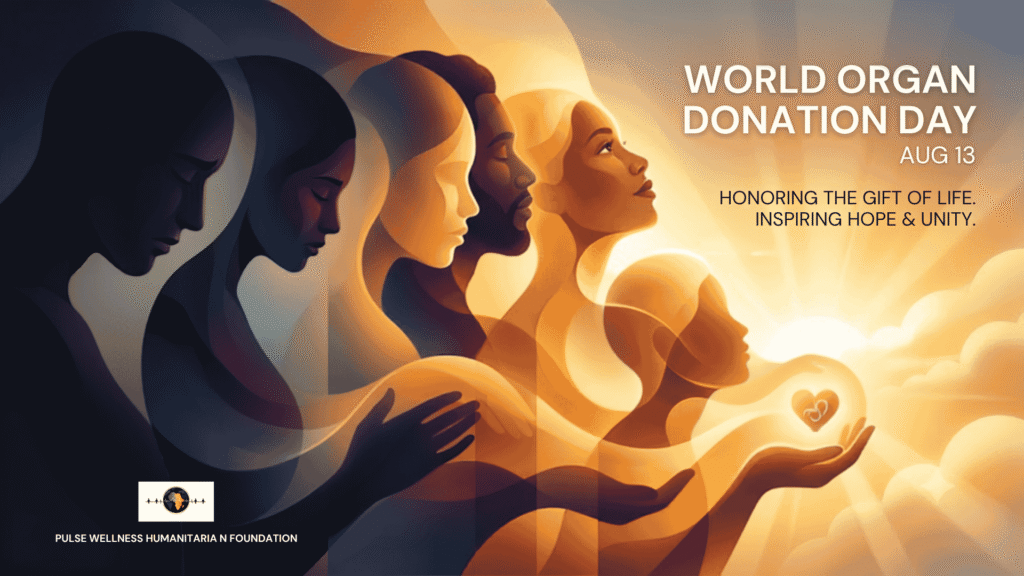
Every year on August 13th, World Organ Donation Day is observed across the globe. Health institutions organize awareness campaigns, transplant advocates share stories of survival, and policymakers renew discussions about the systems needed to support ethical organ donation. Yet beneath the annual messages, social media campaigns, and commemorations lies a question that deserves deeper reflection: why August 13th?
The commonly accepted explanation traces the date to Dr. Christiaan Barnard, the pioneering South African cardiac surgeon who performed the world’s first successful human-to-human heart transplant in December 1967. Born on August 13th, Barnard transformed what had long been regarded as a medical impossibility into a scientific reality. His achievement changed the course of modern medicine and demonstrated that transplantation could offer hope where none previously existed. For many, the observance of World Organ Donation Day on his birthday serves as a tribute to that breakthrough and to the countless lives that have since been saved through transplantation.
Yet the true significance of August 13th extends far beyond a historical milestone. The date matters not simply because of what happened in medicine decades ago, but because of what remains unfinished today. It is a powerful blend of historic medical triumph, a tribute to human courage, and an ongoing global mission to turn fear into hope.
Shifting the Narrative: From Fear to Hope
Organ transplantation stands among humanity’s most remarkable medical achievements. Few procedures illustrate the interconnectedness of human lives as powerfully as transplantation. A donated organ can transform a terminal diagnosis into the possibility of renewed health, restored productivity, and years of life that would otherwise have been lost. However, unlike many other medical interventions, transplantation depends on something science cannot manufacture. It depends on trust, awareness, and human willingness.
This reality places organ donation at the intersection of medicine, ethics, culture, faith, law, and public policy. Hospitals may possess the expertise to perform transplants, but society ultimately determines whether the conditions exist for transplantation to succeed. Public understanding, transparent systems, ethical safeguards, and informed participation are just as important as medical technology itself.
In Nigeria, these challenges are particularly visible. Public conversations about organ donation are often shaped by cultural sensitivities, religious concerns, misinformation, and fears arising from reports of illegal organ trafficking. Such concerns cannot be dismissed lightly. Trust is the foundation upon which any successful organ donation system must be built. Citizens must feel confident that ethical standards are respected, informed consent is protected, and institutions operate with transparency and accountability.
Fortunately, vital regulatory advancements are beginning to take root locally. Under the foundational provisions of the National Health Act 2014, the Federal Ministry of Health and Social Welfare introduced a rigorous, comprehensive framework explicitly designed to manage transplant centers, combat exploitation, and curb the illegal commercialization of donation. For deeper context on these pioneering regulatory efforts, you can read more about how the FG introduces guidelines to regulate organ tissue transplant to protect both donors and recipients alike.

At the same time, the consequences of silence are equally significant. We are fighting a war against unnecessary loss, standing firmly in the defense of organ donation to create a world without waste. When misinformation dominates public discourse, opportunities for informed decision-making are lost. Families facing organ failure often find themselves navigating uncertainty, not only because of medical challenges but also because society has not adequately prepared itself to discuss these issues openly.
The result is that countless individuals remain unaware of how organ donation works, why it matters, and how ethical systems can help save lives. This is the very essence of a true “DemoCAREcy”: a society where an informed population looks out for its most vulnerable members through collective care, education, and an established reading culture.
The Ultimate Math: 1 Equals 8
The beauty of organ donation lies in its unmatched multiplier effect. It is perhaps the only area where a single individual can leave a legacy of health to an entire crowd of strangers. Behind every statistic is a human story. There is the parent hoping to witness another milestone in a child’s life, the young graduate whose ambitions depend on a successful transplant, and the family waiting anxiously for news that may determine their future. Consider the literal impact of a single donor:
- Saving 8 Lives: One deceased organ donor can rescue up to eight people suffering from end-stage organ failure, restoring hearts, lungs, livers, and kidneys.
- Healing 50+ Families: Through tissue, bone, and cornea donation, that same individual can restore sight to the blind, help burn victims recover, and give mobility back to the injured.
When you look at the math, donation ceases to be an abstract medical procedure. It becomes the ultimate gift of life. These stories and numbers remind us that organ donation is not merely a medical topic. It is fundamentally a human one, proving that our legacy does not have to end with us; it can flow forward into the futures of others.
Making History: From Awareness to Action
Critics sometimes regard international observances as symbolic gestures, but symbols have always shaped public life. Societies create designated days because certain issues require collective attention. World Organ Donation Day exists because organ failure remains a global challenge and because the conversations necessary to address it are still not happening at the scale they should.
For this reason, the question of August 13th ultimately becomes a question about the kind of society we wish to build. Do we aspire to a society where healthcare decisions are shaped by fear and misinformation, or one where citizens are empowered by knowledge and supported by trustworthy institutions? Do we accept silence around difficult issues, or do we encourage open conversations that allow people to make informed choices? Do we view organ donation solely through the lens of medicine, or do we recognize it as an expression of shared humanity?
These questions lie at the heart of Pulse Wellness Humanitarian Foundation’s World Organ Donation Day 2026 campaign, “From Fear to Hope: Preserving Lives Through Organ Donation.” The campaign is grounded in the belief that meaningful progress begins with informed dialogue. It seeks to encourage public understanding, strengthen trust, and advocate for conversations around transparent systems, including the development of accessible and ethical donor registration frameworks that respect individual choice while expanding opportunities to save lives.
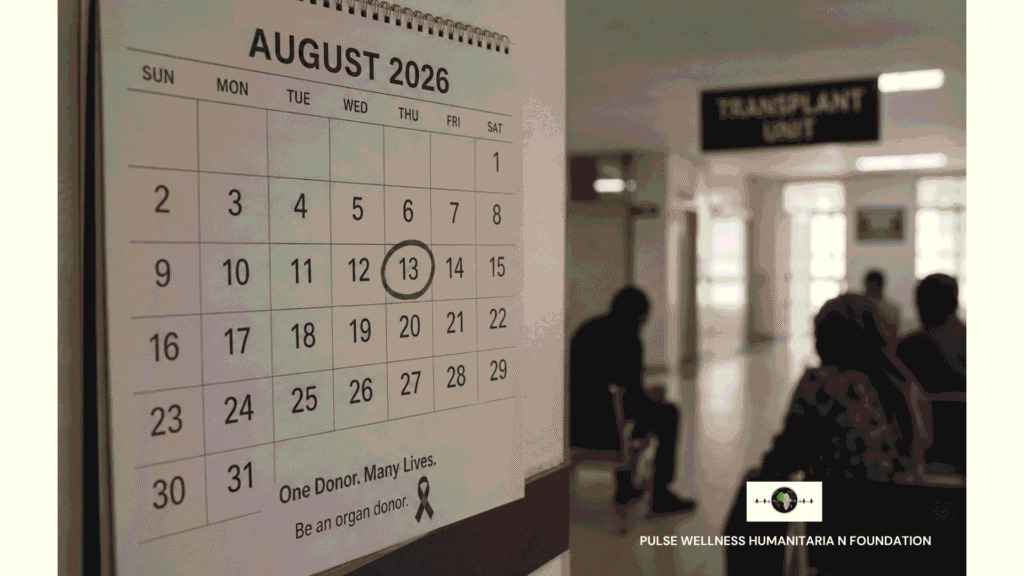
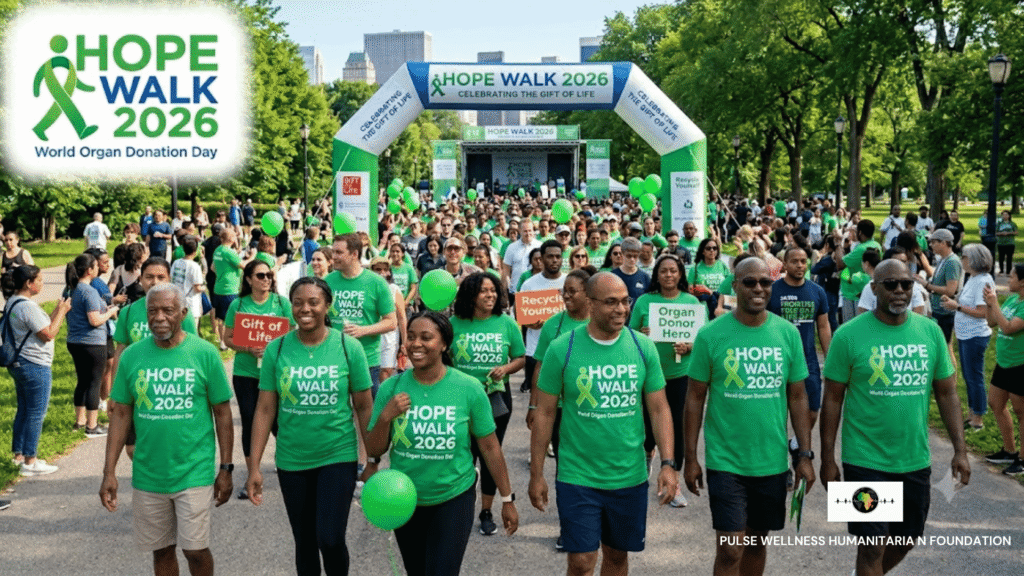
This year, do not let August 13th just pass by on your calendar. We need to take this message to the streets, moving from passive awareness to active, physical advocacy.
Join the movement. Let your feet speak for those who are waiting. Be part of the Hope Walk 2026 as we journey from Transcorp Junction to the National Assembly in Abuja to demand better frameworks, clearer registries, and a healthier future for all.
The legacy of Dr. Christiaan Barnard was not simply that he performed a historic operation. His legacy lies in proving that what once seemed impossible could become reality. That lesson remains relevant today. The challenge before us is no longer whether organ transplantation can save lives. The evidence is already clear. The challenge is whether society can create the understanding, trust, and participation necessary to ensure that more lives are given the opportunity to benefit from it.
In the end, August 13th is not important because of a date. It is important because it reminds us that every life waiting to be saved is connected to decisions made by all of us. It reminds us that awareness is not merely about information but about responsibility. And it reminds us that perhaps the greatest measure of a society is not simply what it can achieve medically, but how willing it is to transform knowledge into compassion and compassion into action.
As World Organ Donation Day approaches, the question is no longer why August 13th was chosen. The more important question is what we choose to do with it.